Partille World Cup · Celebrate
Partille World Cup: Key to the Development of Young Referees
The Partille World Cup’s referee school is an investment in young people and the future of handball refereeing. During the tournament week, approximately 80 young referees aged 16 to 22 have the opportunity to develop their skills in a professional and supportive environment.
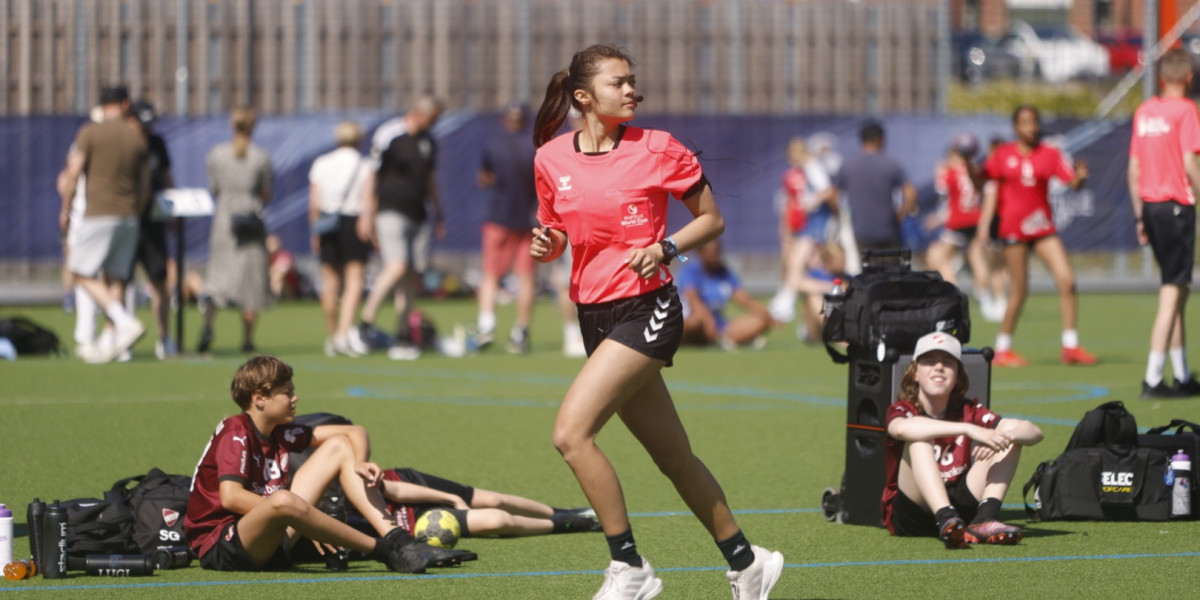
On Tuesday, June 30, the world’s largest handball tournament, featuring 1,400 teams from 36 nations, kicks off in Gothenburg. This year, a record number of referees have also registered: 320. The efforts made in recent years to develop young referees during the tournament have contributed to this.
– The Partille World Cup takes great responsibility for developing referees and is a driving force in the field of officiating. Overall, I think the refereeing community needs to take advantage of the important tournaments that are available. At the Partille World Cup, they get a unique opportunity to officiate international matches, says Martin Laanemets, competition director.
Each referee pair is mentored by referees with experience at the national, elite, or international level. They provide ongoing coaching and personalized feedback to the referee pairs throughout the tournament. In addition, they ensure that the pairs are assigned matches at the appropriate level to officiate. The goal is to strengthen both the confidence and competence of young referees, so that they can confidently take on the role of match officials.
– Major tournaments are an excellent opportunity to gain the experience needed to take the next step in your career. The Partille World Cup also features international matches. It makes a big difference to referee teams from different countries, because there’s a big difference, says Jonathan Hummelgård, who is in charge of the referee school during the Partille World Cup.
He is an elite referee and officiates internationally. One thing he finds particularly beneficial during the Partille World Cup is how young referees develop their body language when communicating on the court.
– Not all teams are comfortable with English, but everyone understands body language. That’s where the Partille World Cup makes a big difference – in helping referees develop their body language. It makes the referees’ communication on the court clearer.
The issue of referees is important for handball.
– There’s a shortage of referees in every district in Sweden. What the Partille World Cup does to retain and develop our referees is very positive—both for the individuals and for Swedish handball as a whole. It’s important that we recruit, retain, and develop young referees, says Jonathan Hummelgård.
What’s the best part of your own refereeing career?
– The best part is that you get to stay involved, even though you’re no longer playing. You get to be part of the action on the court. I have the best seat right there on the court and get to soak up the atmosphere.