Partille World Cup · Elitgrupper
How Elite Clubs are Searching for Future Players at the Partille World Cup
For most, the Partille World Cup is a week filled with matches, friendship, and international encounters. However, at the same time, a much quieter effort is underway around the pitches. While thousands of young athletes are chasing victories, elite clubs are taking the opportunity to form a picture of the players of tomorrow.
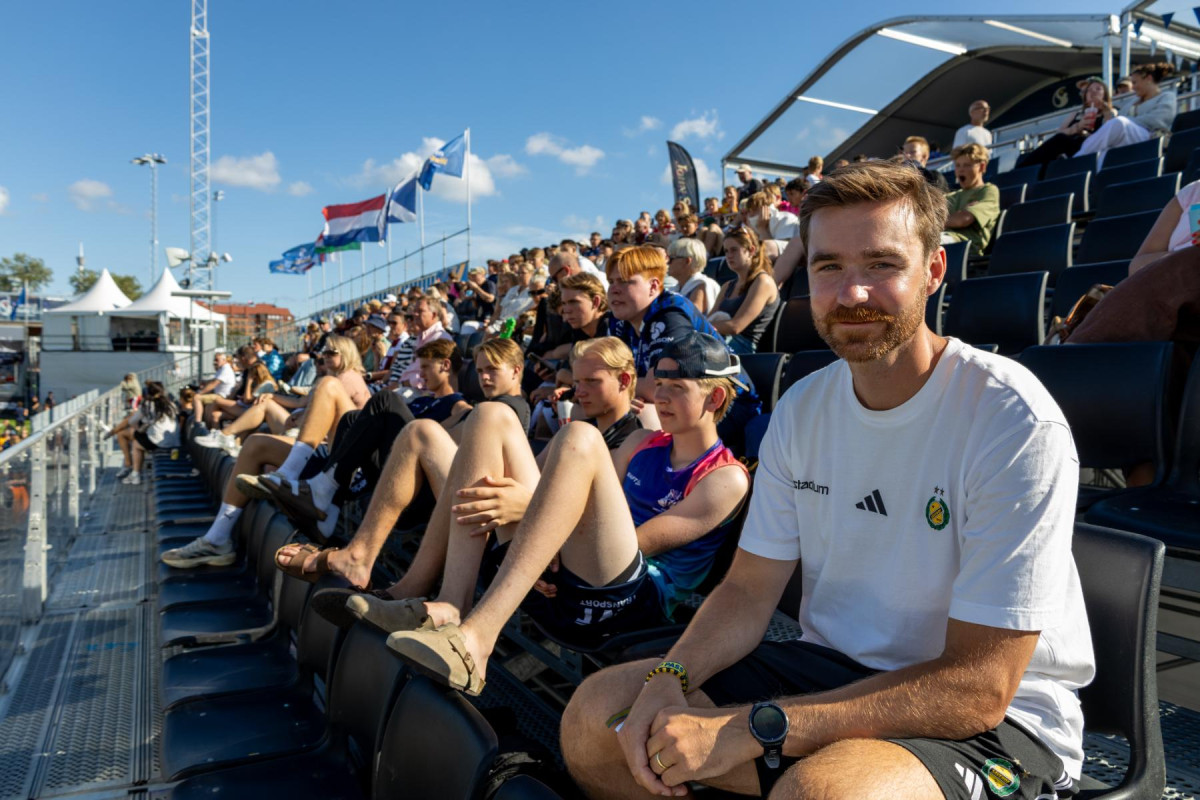
During the Partille World Cup, Heden and other playing venues are filled with players from around the world. Around the fields, not only parents and teammates are present. There are also representatives from elite clubs, who partly use the week to follow both Swedish and international youth players. However, it is rarely about a hunt for quick signings.
– Of course, we look at players and do some research beforehand. We talk to agents from places like Iceland, Denmark, and Norway who have good knowledge and can recommend players. We also know which clubs usually produce good players, like FH and Valur in Iceland, and we pay extra attention there, says Linus Ekman, head coach for IK Sävehof's men's team.
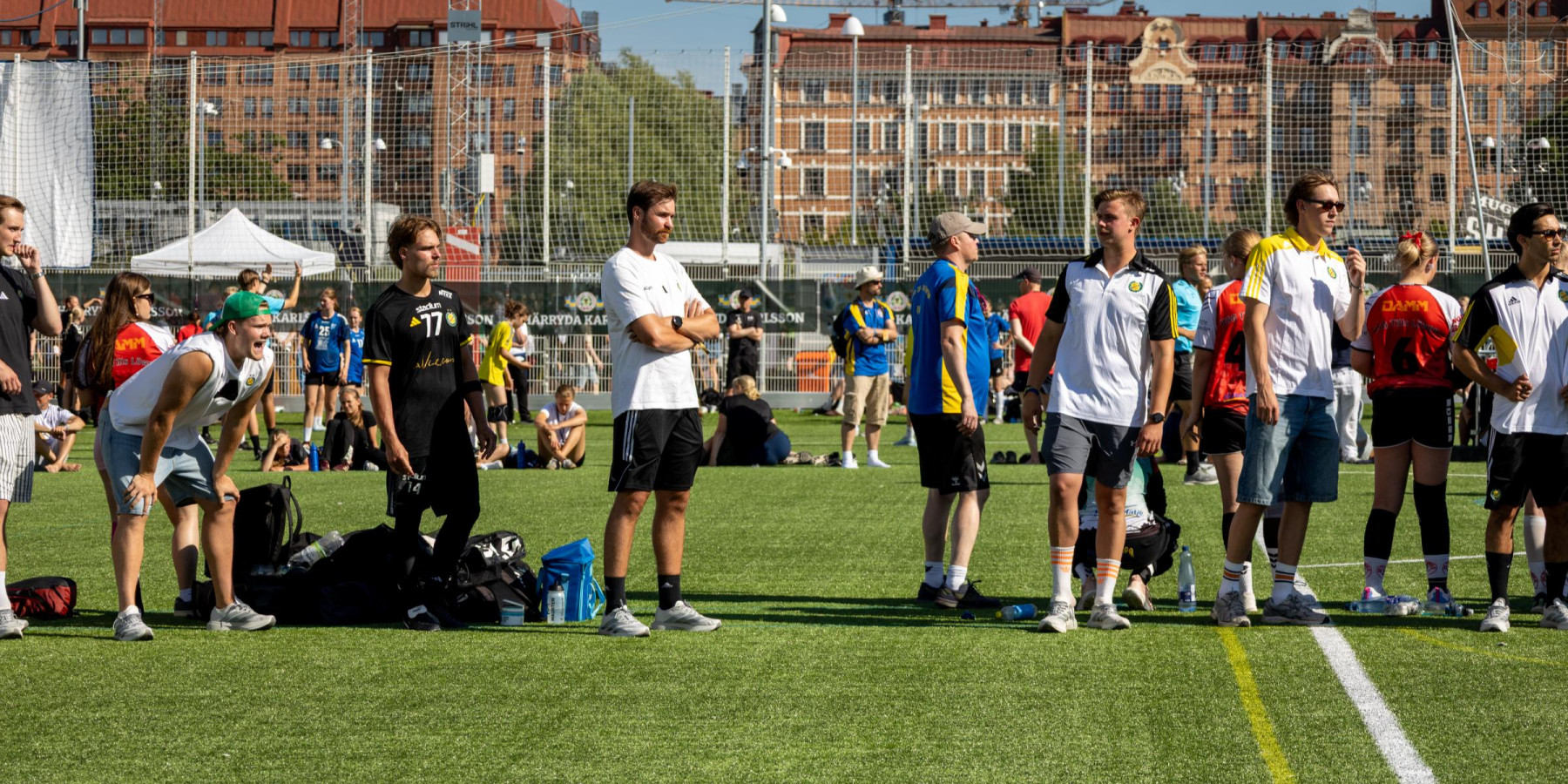
For IK Sävehof, the work begins long before players are ready for senior handball.
– We often look at players younger than U18. It is almost a bit late to start there. As a Swedish club, we do not have the finances to compete with German, Danish, and French clubs for the biggest talents. Therefore, we need to find them a bit earlier. And really, the main focus is on our own teams.
Robert Månsson, sporting director for Lugi, also uses the Partille World Cup to create a long-term picture of the players.
– Primarily, I follow our own teams, but also teams in the local area and other interesting teams in Sweden. It is good to start forming an impression when players are 14–15 years old, even if it might not lead to contact until several years later.
But it’s not just technical skills that matter. The Partille World Cup is held outdoors, which gives coaches and sporting directors the opportunity to observe other aspects of the players.
– You get a first gut feeling about how the players act and behave on the court. How do they handle rain or when the ball doesn’t bounce as usual. Is there mostly complaining, or do they try to solve the situation? You also get a feel for leadership qualities and how they handle setbacks, says Robert Månsson.
Linus Ekman describes scouting as more open than many might think.
– Often, I go to a match without knowing exactly what is there. It’s about discovering what is present in that match. Later, when players reach high school age, it becomes more concrete based on what we need in our squads.
Despite the presence of many elite clubs, both downplay the image of the Partille World Cup as a recruitment market.
– I think it’s quite a minor recruitment place. The focus should be that this is an experience and a celebration, not to run around chasing 14-year-old players. At the same time, it is important to have an early understanding of the players. For us, it rarely becomes relevant until they are around 19 years old, and by then we have had the opportunity to follow them for several years, says Robert Månsson.
Linus Ekman agrees.
– We do not look at the Partille World Cup and recruit players for the fall. Often, it’s about following a player for at least one or two years. During that time, other clubs also come into the picture, so you are constantly trying to keep up and find the gems.
There are several examples of how the tournament can indeed be the start of an elite career. IK Sävehof discovered Elias Ellefsen a Skipagøtu during the Partille World Cup and European Open Championship. The same applies to Óli Mittún. Two extremely successful signings for Sävehof.
Robert Månsson mentions two examples, one from his time at HK Malmö and one from Lugi, where he took over as sporting director before last season.
– Malte Månsson is a clear example for HK Malmö. And I first saw Ola Peterson here when he was 14–15 years old and followed him thereafter. It has turned out very well.
But for Linus Ekman, there is a scouting process that is at least as important as the search for external talents. The internal scouting.
– The best scouting is actually the internal one. All our youth teams are gathered in the same place during the week, and I try to see as many of them as possible. It’s difficult during the rest of the year when the teams play at different times and in different places. That should not be underestimated.
The article is written by Handbollskanalen in collaboration with the Partille World Cup.